Hermann Hesse
2002-12-06
The final novel of Hermann Hesse, for which he won the Nobel Prize for Literature in 1946, The Glass Bead Game is a fascinating tale of the complexity of modern life as well as a classic of modern literature
Set in the 23rd century, The Glass Bead Game is the story of Joseph Knecht, who has been raised in Castalia, the remote place his society has provided for the intellectual elite to grow and flourish. Since childhood, Knecht has been consumed with mastering the Glass Bead Game, which requires a synthesis of aesthetics and scientific arts, such as mathematics, music, logic, and philosophy, which he achieves in adulthood, becoming a Magister Ludi (Master of the Game).

Hesse’s magnum opus delves into the interplay between art, spirituality, and intellectual pursuit within a monastic society. The novel’s cerebral nature resonates with my own penchant for philosophical inquiry and the synthesis of knowledge. The prose, while dense, is richly rewarding, offering a meditative reflection on the value of artistic and scholarly endeavors. Although the narrative pace may not suit every reader, its thematic ambition and intellectual rigor make it a valuable addition to my library.
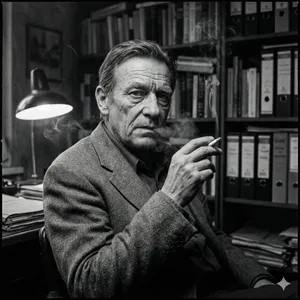
Hesse's magnum opus is a contemplative deviation from my usual fare of gritty crime novels. It presents a unique blend of intellectual rigor and philosophical depth, set in a monastic-like academy where the intellectual pursuit is elevated to an art form. The intricate game that serves as the novel's centerpiece is as much a puzzle as a mystery. While it doesn't adhere to the procedural narratives I typically favor, it offers a refreshing exploration of the intersection between art, spirituality, and knowledge. An intellectual exercise that, despite its departure from my usual reads, provides a stimulating challenge.

Hermann Hesse's 'The Glass Bead Game' is an intellectual tour de force that aligns well with my appreciation for structured thought and philosophical discourse. The novel's exploration of a utopian society centered around a complex game that synthesizes all forms of knowledge is both fascinating and evocative. Hesse's prose, though at times ornate, serves the narrative well, allowing for a deep dive into the interplay between art, science, and spirituality. This work is a rare gem that I would reserve a perfect rating for, as it exemplifies the intellectual depth and synthesis that I hold in high regard.