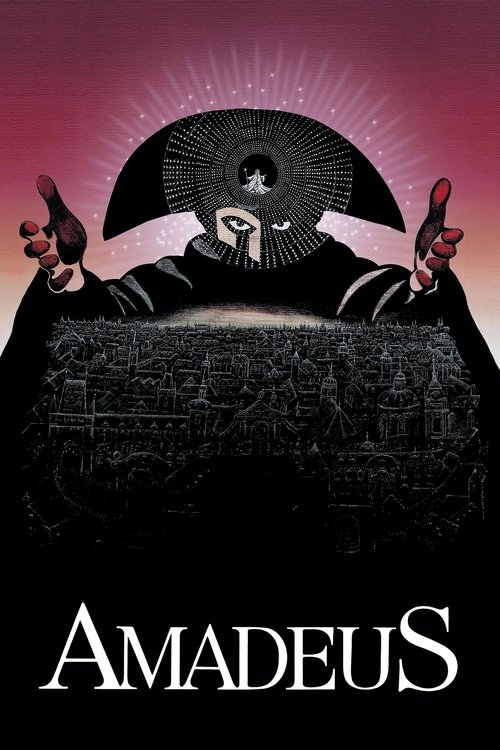
F. Murray Abraham, Tom Hulce, Elizabeth Berridge, Simon Callow, Roy Dotrice
1984-09-19
Disciplined Italian composer Antonio Salieri becomes consumed by jealousy and resentment towards the hedonistic and remarkably talented young Salzburger composer Wolfgang Amadeus Mozart.

Amadeus diverges from my usual predilection for hard science fiction by delving into the historical and artistic rivalry between Mozart and Salieri. The film excels in its nuanced character development and the philosophical exploration of genius, envy, and the human condition. The screenplay, rich with dramatic irony and poetic dialogue, offers a profound commentary on creativity and legacy. While not within my typical genre of interest, it demonstrates a mastery of narrative that is intellectually stimulating and emotionally resonant. It serves as a reminder of the broader scope of human expression beyond the confines of science fiction.

Amadeus offers a meticulously researched dive into the life of Mozart, a historical figure whose genius continues to captivate. The film’s portrayal of artistic rivalry and the complexities of creative genius is both nuanced and profound. It's a historical drama that doesn’t shy away from exploring the darker sides of human nature, a theme that resonates with my interest in the intersection of history, ethics, and human nature. The performances are exceptional, and the film’s pacing keeps one engaged throughout.

Amadeus presents a stark and uncompromising view of genius and its discontents. F. Murray Abraham's portrayal of Salieri is a masterclass in the embodiment of tortured ambition, while Tom Hulce's Mozart is the uninhibited expression of unadulterated creative force. The film is a vivid tapestry of contrasting philosophies, where the clash between rational self-interest and irrational envy is laid bare. It stands as a testament to the complexity of the human mind and the price of unacknowledged brilliance. This is a film that demands intellectual engagement and offers no quarter to the faint of heart.