August Diehl, Valerie Pachner, Maria Simon, Karin Neuhäuser, Tobias Moretti
2019-08-27
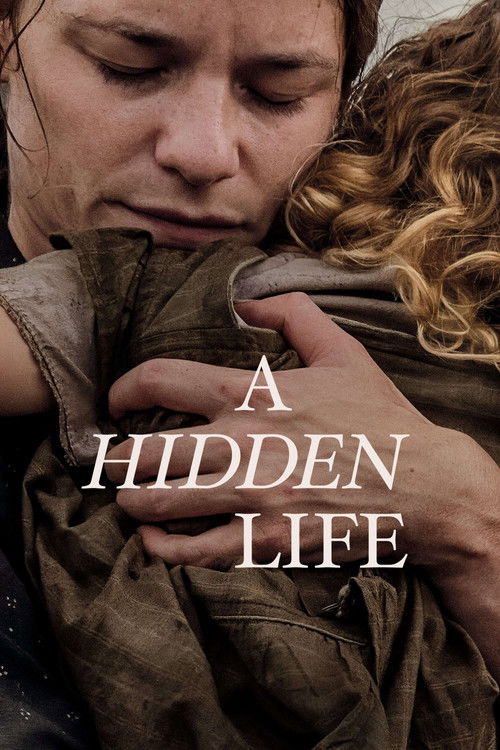
Austrian farmer Franz Jägerstätter faces the threat of execution for refusing to fight for the Nazis during World War II.

Terrence Malick's 'A Hidden Life' is a profound cinematic journey that transcends conventional storytelling, immersing viewers in a poetic meditation on faith, morality, and the human spirit. The film's meticulous attention to visual composition and its meditative pacing invite contemplation, resonating with Malick's signature style. Each frame is a canvas, meticulously crafted to evoke emotion and reflection. Despite its slow-burn narrative, the film's thematic depth and artistic merit are undeniable, making it a compelling addition to any cinephile's repertoire.

Terrence Malick's A Hidden Life offers a meditative and visually arresting exploration of the conscientious objection of Franz Jägerstätter during World War II. This film, with its deliberate pacing and profound philosophical undertones, stands in contrast to my usual preference for espionage and action. Yet, its focus on the moral complexities of resistance and the human struggle for peace under oppression provides a thought-provoking experience. The film's cinematography is exquisite, and its contemplative approach to narrative invites deep reflection.