Marcello Mastroianni, Anita Ekberg, Anouk Aimée, Yvonne Furneaux, Magali Noël
1960-02-05
Episodic journey of journalist Marcello who struggles to find his place in the world, torn between the allure of Rome's elite social scene and the stifling domesticity offered by his girlfriend, all the while searching for a way to become a serious writer.

Sempre que vejo um filme de Fellini, sinto que entrei numa orgia sensorial. La Dolce Vita não é diferente. É um banquete visual e emocional. O filme tem um sabor tão distinto, como se tivesse uma pitada de algo indefinível que o torna irresistível. Cada cena é uma explosão de cores e emoções, como uma sobremesa decadente e viciante. Marcello Mastroianni encarna o jornalista em busca de significado em meio ao vazio da alta sociedade. Uma experiência marcante e sensorial, perfeita para quem busca algo diferente das narrativas convencionais.

An intoxicating, almost decadent feast for the eyes, Fellini's 'La Dolce Vita' transports the viewer into the heart of Rome's effervescent elite. The film's baroque visuals and languid pacing are nothing short of cinematic poetry, capturing the existential ennui of its protagonist. The way Fellini manipulates light and shadow creates a chiaroscuro effect reminiscent of Baroque paintings, elevating the film into the realm of high art. It is a sensorial experience that demands to be savored, rather than simply watched.

Fellini'in başyapıtlarından biri olan La Dolce Vita, Roma'nın yaşam tarzını ve dönemin sosyal atmosferini olağanüstü bir şekilde yansıtıyor. Film, gazeteci Marcello Rubini'nin arayış ve kafa karışıklığını ustalıkla ele alıyor. Estetik ve anlatım açısından zengin bir deneyim sunuyor. İstanbul'un karmaşık güzelliğini hatırlatan sekanslar ve modern yaşamın yabancılaşmasını düşündüren temalar ile bağlantı kuruyorum. Sanatsal değeri ve kültürel etkisi göz önünde bulundurulduğunda, bu film herhangi bir film tutkununun kütüphanesinde olması gereken bir klasik.

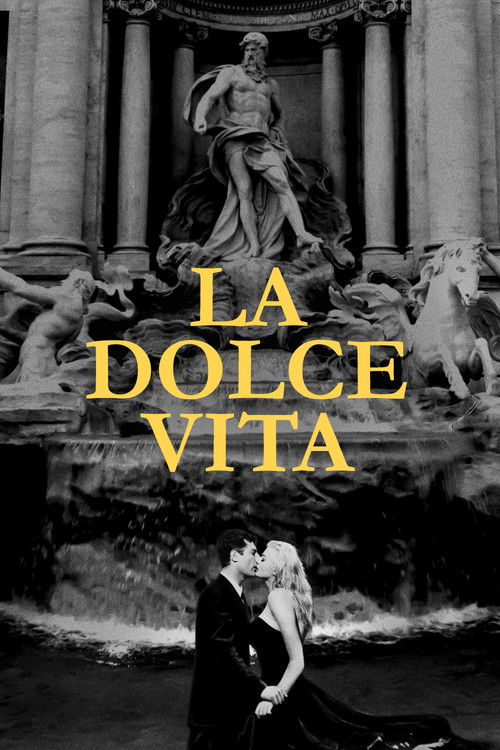
Fellini's 'La Dolce Vita' is a kaleidoscopic exploration of a society in transition, as seen through the eyes of a disenchanted journalist. The film's rich tapestry of life, love, and existential malaise is as visually arresting as it is philosophically stimulating. Anita Ekberg's iconic scene in the Trevi Fountain is but a moment in a film teeming with such unforgettable imagery. Fellini's direction is both opulent and insightful, and Mastroianni's performance is the soul of the film, a testament to the beauty and the sorrow of existence. It's a cinematic feast that demands to be savored, a poignant reminder of the fleeting nature of beauty and fame.