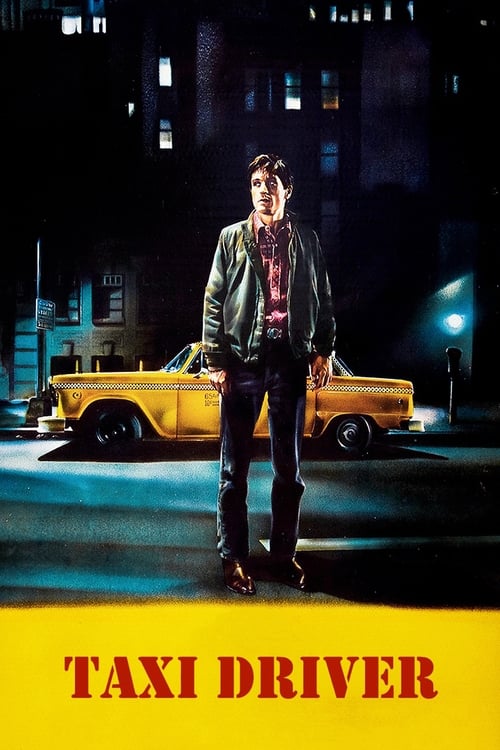
Robert De Niro, Jodie Foster, Cybill Shepherd, Harvey Keitel, Peter Boyle
1976-02-09
Suffering from insomnia, disturbed loner Travis Bickle takes a job as a New York City cabbie, haunting the streets nightly, growing increasingly detached from reality as he dreams of cleaning up the filthy city.

Traversing the gritty underbelly of 1970s New York, Taxi Driver offers a harrowing dive into the psyche of Travis Bickle. De Niro's performance is nothing short of transformative, embodying the chaos and despair that permeates the film. While it doesn't align perfectly with my usual fare, the raw, unfiltered portrayal of urban angst is compelling. It's a stark, unflinching look at mental illness and societal neglect that's as relevant today as it was then.
Scorsese's 'Taxi Driver' is a stark exploration of urban alienation and the thin line between sanity and madness. De Niro's portrayal of Travis Bickle is unsettling yet captivating, offering a raw depiction of a man descending into his own private hell. The film's gritty realism and unflinching portrayal of its protagonist make it a powerful, if disturbing, piece of cinema. It's a film that demands reflection and leaves a lasting impression.

What an absolute cinematic journey! Scorsese's direction has this gritty, raw energy that's both captivating and confronting. De Niro's portrayal of Travis Bickle is hauntingly real – it's like he's the embodiment of a fractured psyche. The film's got heaps of that 70s New York grime, and the cinematography is top-notch, giving you that claustrophobic feel. It's not your everyday flick, but it definitely resonated with me on a deeper level. The way it explores the dark corners of the human mind is something I don't see often, and it's a stark contrast to the usual indie darlings I lean towards. A solid 5 for pushing my comfort zone and delivering a performance that's still talked about decades later.